Original text here from Patrice Bernard (LinkedIn)
As climate risks continue to intensify, Generali is shifting its approach by embedding prevention directly into its insurance processes. Rather than simply covering damages after the fact, the insurer is now moving upstream—making risk awareness and mitigation a core component of its value proposition.
Until recently, most initiatives in this space focused on providing customers with tools to assess their exposure to natural hazards. But a new phase is emerging, in which insurers take a more proactive stance—encouraging, and potentially pressuring, policyholders to act.
In Generali’s case, this begins as early as the quotation stage. A comprehensive risk assessment—covering threats such as wildfires, floods, droughts, earthquakes, and industrial incidents—is automatically generated based on the property’s address and public data sources. This diagnostic is shared with prospective customers, helping them either feel reassured or become concretely aware of their exposure.
Subscribe to our newsletter:
If the policy is taken out, the process goes further. With the support of a local agent, the customer receives a more detailed, personalized diagnosis, along with prioritized recommendations to reduce identified risks. The insurer may also assist in selecting qualified professionals to carry out the necessary work and even help address financing challenges, which often represent a major barrier to preventive measures.
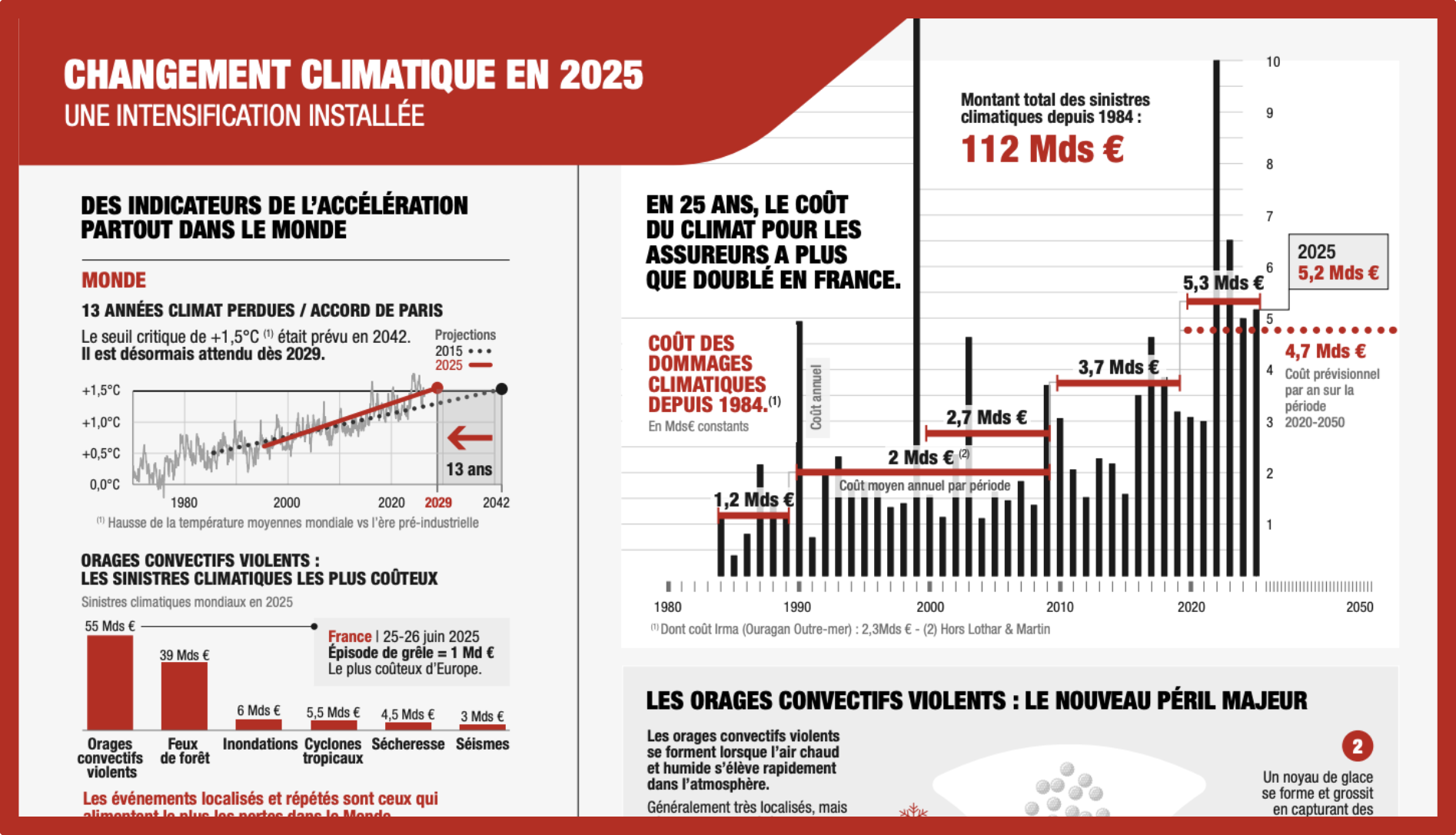
This evolution reflects a broader transformation underway in the insurance industry. Faced with the growing frequency and severity of climate-related events, insurers can no longer remain passive risk carriers. They are gradually repositioning themselves as active risk managers—seeking to influence customer behavior and reduce exposure before losses occur.
That said, this shift raises important questions. The multiplication of risk assessment tools—developed by insurers, public institutions, and financial players—often relies on similar datasets. Greater coordination or mutualization could help focus investments on more advanced capabilities, such as anticipating future hazards rather than merely mapping existing ones.
Looking ahead, the trajectory seems clear: prevention will become increasingly central, and possibly more coercive. While outright denial of coverage may remain rare, insurers could impose stricter conditions tied to risk mitigation efforts. In that sense, Generali’s initiative may represent an early step toward a more demanding—and more interventionist—model of insurance in the age of climate change.